

How the Right Music Transforms Your Cafe
By the finetunes Editorial Team
Short answer: In a café, music isn't background filler: tempo, volume, and genre actively shape how long customers stay, how much they order, and whether they remember your brand. Slower-tempo music tends to lengthen dwell time and lift spend, while a mismatched soundtrack quietly undercuts good coffee and good design. The practical move is to design your café's sound deliberately, match it to the time of day, and license it properly for commercial use.
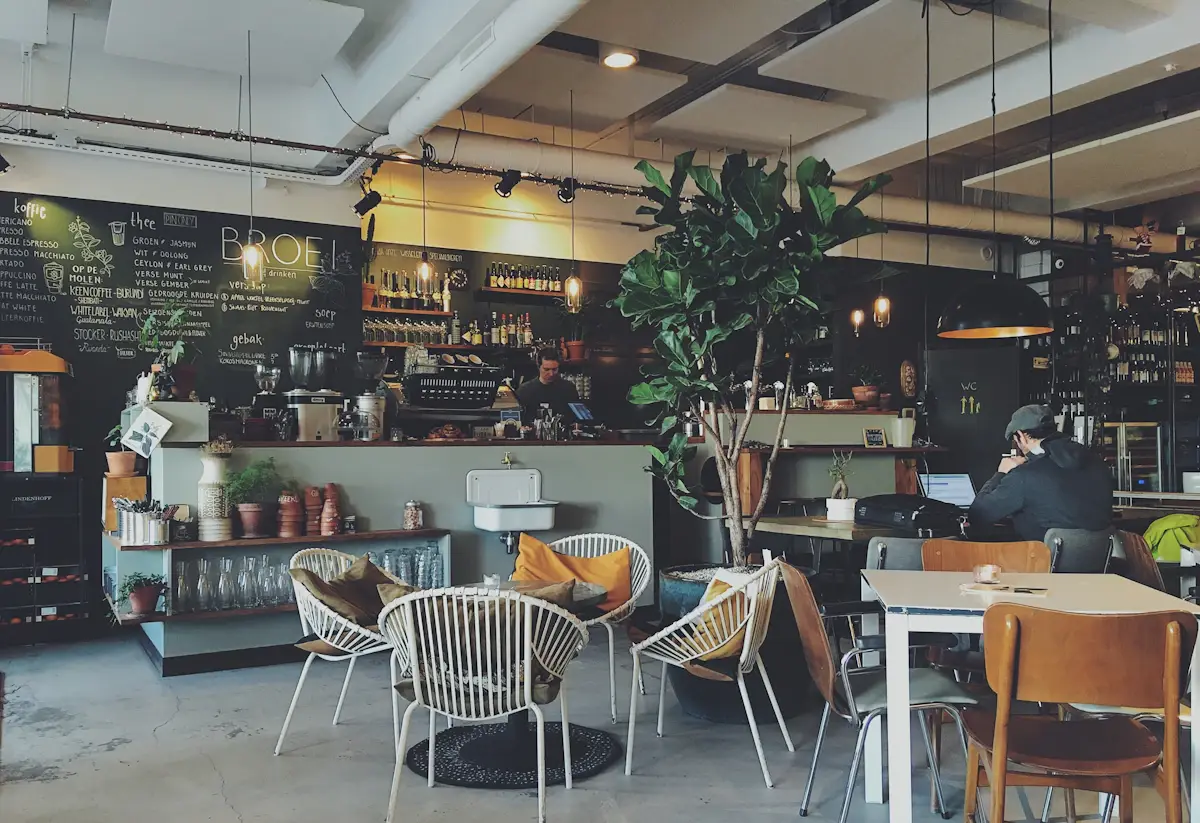
Picture this: you walk into a cafe and something just feels right. The espresso machine hums, the lighting is warm, and there's a soft acoustic track playing that makes you want to sink into the nearest chair and stay a while. You can't quite put your finger on it, but the whole experience feels intentional, like someone designed every detail of this moment just for you.
That's not an accident. That's the power of music done right.
Most cafe owners spend weeks choosing the right furniture, agonize over menu design, and taste-test dozens of coffee blends. But the soundtrack? That often gets treated as an afterthought, a random playlist running in the background while the "real" work of running a cafe happens around it.
Here's the thing: that's a massive missed opportunity. Because the music playing in your space is quietly shaping every single customer interaction, every purchase decision, and every memory being formed about your brand.
Let's talk about why, and how to use it to your advantage.

Why Music Matters More Than You Think
The science here is remarkably clear. Researchers have been studying the relationship between background music and consumer behavior for decades, and the findings are hard to ignore.
One of the most cited studies comes from Ronald Milliman's 1986 research on music tempo in restaurants. He found that when slow-tempo music played, customers stayed an average of 56% longer than when fast-tempo music was used. They didn't just linger, they spent more. The slow-music group's average bar tab was significantly higher because they ordered additional rounds while relaxing.
Think about that for a second. The same menu, the same service, the same decor, but a different tempo, and the revenue shifts dramatically.
Research shows slow-tempo background music can increase customer dwell time by up to 56%, and those extra minutes translate directly into higher spending per visit.
Volume matters just as much as tempo. Research published in the Journal of the Academy of Marketing Science found that moderate background music volume creates the sweet spot for customer satisfaction and spending. Too loud and people leave sooner, feel stressed, and rate the experience lower. Too quiet and the space feels empty, awkward, even slightly uncomfortable, like being in a library when you expected a living room.
And then there's the concept of music-brand congruence. Studies consistently show that when the music "fits" the environment, customers rate the overall experience higher, perceive the products as higher quality, and report greater willingness to return. A craft coffee shop playing jazz feels cohesive. The same shop blasting pop hits feels disjointed, and customers notice, even if they can't articulate why.
The bottom line: music isn't decoration. It's infrastructure. It shapes the emotional architecture of your space just as powerfully as lighting, layout, and interior design.
The Psychology of Cafe Sound
Understanding why music affects us so deeply starts with how our brains process sound. Unlike vision, which requires focused attention, sound bypasses our conscious filters. Music reaches the emotional centers of the brain before we've even decided to listen.
This is why music is so effective at shaping mood, and why it's such a powerful tool for cafe owners who understand it.
Ambient Noise and Creativity
Researchers at the University of Illinois found that moderate ambient noise, around 70 decibels, roughly the level of a busy cafe, actually enhances creative thinking compared to both silence and loud noise. This is one reason why so many writers, designers, and remote workers seek out cafes to work in. The gentle hum of conversation layered over soft music creates what psychologists call a "processing disfluency" that pushes the brain into more abstract, creative thinking.
Your cafe's soundtrack isn't just background noise. For a significant chunk of your customers, it's literally helping them think better.
Music and Perceived Wait Times
Nobody likes waiting, but music makes it feel shorter. Research on perceived wait times shows that customers exposed to music during service delays estimate their wait as significantly shorter than those who waited in silence. The music doesn't speed anything up, it changes how time feels.
This matters during your morning rush, your order queue, and any moment when a customer might glance at their watch and wonder if they should have gone somewhere else.
Emotional Priming
Music primes emotional states before customers even interact with your staff or menu. A warm, acoustic playlist creates a sense of comfort and belonging. An upbeat, energetic mix signals excitement and social energy. Calm, ambient tones suggest sophistication and mindfulness.
You're essentially setting the emotional stage for every interaction that follows. When a customer approaches the counter already feeling relaxed and positive, the entire transaction goes smoother, for them and for your team.
Why Silence Is Worse Than Wrong Music
Here's something counterintuitive: playing the wrong music is almost always better than playing no music at all. Silence in a commercial space creates social anxiety. Conversations feel exposed. Every cough, chair scrape, and espresso grind becomes amplified. Customers lower their voices, feel self-conscious, and leave sooner.
Even imperfect music provides what psychologists call "acoustic masking": a sound floor that gives people permission to relax, talk normally, and feel comfortable in the space. The goal is to get your music right, but if you're currently playing nothing, even starting with something generic is an improvement.
Designing Your Cafe's Soundtrack
Now for the practical part. Great cafe music isn't about picking your favorite songs, it's about designing a sound environment that serves your customers throughout the entire day.
The secret that the best cafes already know? Your soundtrack should evolve with the energy of the day, matching the mood and needs of whoever's in the room at that moment.
Morning (6am–11am): Gentle Energy
Target: 60–80 BPM: Acoustic guitar, gentle piano, soft classical, ambient
Your morning crowd wants calm. They're waking up, easing into the day, maybe nursing that first espresso before the world demands their attention. The music should feel like a warm blanket, present but undemanding.
Think fingerpicked acoustic guitar, solo piano pieces, or light ambient instrumentals. Keep vocals minimal or absent. This is the time when sound should support quiet contemplation, journal writing, and that sacred first-cup-of-coffee ritual.
Midday (11am–2pm): Building Momentum
Target: 80–110 BPM: Indie folk, lo-fi beats, light acoustic pop
The lunch crowd brings more energy. Conversations pick up, groups arrive, and the space gets busier. Your music should match, a gentle uptick in tempo and presence that acknowledges the shift without overpowering it.
Lo-fi hip-hop beats, indie folk, and light acoustic pop work beautifully here. You want music that creates a comfortable backdrop for both laptop workers staying through lunch and friends catching up over sandwiches.
Afternoon (2pm–5pm): The Sweet Spot
Target: 100–120 BPM: Upbeat jazz, bossa nova, indie pop, neo-soul
Afternoons are your chance to shine. The post-lunch crowd tends to be more social, more relaxed, and more open to discovery. This is when slightly bolder music choices pay off: think bossa nova, upbeat jazz standards, neo-soul, or indie pop with a groove.
The tempo can climb a bit, the production can be richer, and vocals become more welcome. Your regulars who come for the afternoon vibe will start associating these sounds with your brand.
Evening (5pm–close): Winding Down
Target: 70–90 BPM: Smooth jazz, ambient electronic, chill downtempo
As the day winds down, so should your soundtrack. Smooth jazz, ambient electronic, or downtempo beats create a sophisticated, intimate atmosphere that encourages lingering over that last drink.
Keep volumes lower in the evening. The energy should feel like a slow exhale, inviting people to decompress, not rush out the door.
Pro tip: schedule your music transitions 15–20 minutes before the actual crowd shift. Music sets the tone for who's arriving, not who's already there. If your lunch rush starts at 11:30, start shifting the energy at 11:15.

5 Signs Your Music Is Working
How do you know if your soundtrack is actually doing its job? Watch for these signals:
1. Customers are staying longer. Check your average table turnover time. If people are lingering: ordering that second coffee, staying for dessert, pulling out a book, your music is creating a space they don't want to leave. That's exactly what you want.
2. People look up from their phones. When the atmosphere feels right, people are more present. You'll notice customers looking around the room, watching the barista work, making eye contact and smiling. The music is part of what makes the space feel worth paying attention to.
3. Staff energy shifts. Your team responds to the soundtrack too. The right music keeps energy up during slow periods and prevents burnout during rushes. If your baristas are moving with a little more rhythm, humming along, or just seem more at ease, the music is working for everyone.
4. Regulars comment on the vibe. When customers start saying things like "I love the music in here" or "this place just has the best atmosphere," that's your signal that the soundtrack has become part of your brand identity. They might not mention music specifically, they'll just say the place "feels good."
5. Your space shows up on social media. People photograph and share spaces that feel special. If your cafe is getting tagged in Instagram stories, showing up in "best cafes for working" lists, or getting mentioned for its atmosphere, your soundtrack is contributing to that shareability.
Common Mistakes That Kill the Vibe
We've seen it all. Here are the mistakes that undermine even the best-intentioned cafe soundtracks:
Volume extremes. This is the most common issue. Too loud and conversations become strained: customers lean in, raise their voices, and eventually give up and leave. Too quiet and the room feels hollow. The test: can two people have a normal conversation without raising their voices? If yes, you're in the zone.
Ignoring your brand identity. Your music should feel like an extension of everything else about your space. A minimalist, Scandinavian-inspired cafe playing Top 40 pop sends mixed signals. A rustic, neighborhood spot blasting smooth jazz feels equally off. Think about what your decor, menu, and vibe communicate, then choose music that tells the same story.
The 20-song death loop. Few things annoy regulars faster than hearing the same playlist on repeat. If your morning regular is hearing the same opening track every day at 7:15am, that track stops being pleasant and starts being furniture. You need enough variety to stay fresh across days and weeks, not just hours.
Flat energy all day. Playing the same playlist from open to close ignores the natural rhythm of a cafe day. Your 7am customers and your 4pm customers have completely different needs. A soundtrack that doesn't evolve with the day misses countless opportunities to serve both groups well.
Personal taste over customer experience. This is a hard one. Your favorite death metal album might be genuinely excellent music, but it's probably not what your brunch crowd wants to hear. Curating for your customers, not your own playlist, is one of the most important mindset shifts a cafe owner can make.
Making It Effortless
Understanding the psychology is one thing. Actually executing a dynamic, well-curated soundtrack across a 14-hour business day, every day, while also running a cafe? That's where it gets challenging.
This is exactly why we built finetunes. One subscription gives you access to a full catalog of commercially licensed music, curated playlists designed for specific business types and moods, and smart scheduling that automatically shifts your soundtrack throughout the day, so your cafe sounds intentional from open to close, without you lifting a finger.
No ads, no interruptions, no worrying about whether your music is properly licensed. Just the right sound, at the right time, every day.
Your space already tells a story through its design, its menu, and its people. finetunes makes sure the soundtrack matches.
Ready to transform your cafe's atmosphere? Start your free trial at play.finetunes.app (opens in new window) and hear the difference the right soundtrack makes.
Related Articles
Stop Playing the Hits: Why Music Nobody Recognizes Is Better for Your Business
Every instinct tells you to play songs customers know. The research leans the other way: unfamiliar music can keep people longer, makes your brand memorable, and saves your staff's sanity.

Subliminal Messages in Music: Myth, Science, and What's Really Influencing You
In 1990, a heavy metal band went on trial for allegedly causing a teenager's death through a hidden message in a song. The verdict changed everything, but the real story of how music influences your mind is far more interesting than any conspiracy.
The 12-Hour Music Day: What a Month of Venue Playback Data Says About Thailand
We metered every hour of music our venues played in July 2026, across 38 Thai provinces. The average Bangkok venue ran music for 220 hours. The country peaks at one in the afternoon, not at night. Here is the full shape of the data, and how far to trust each number.